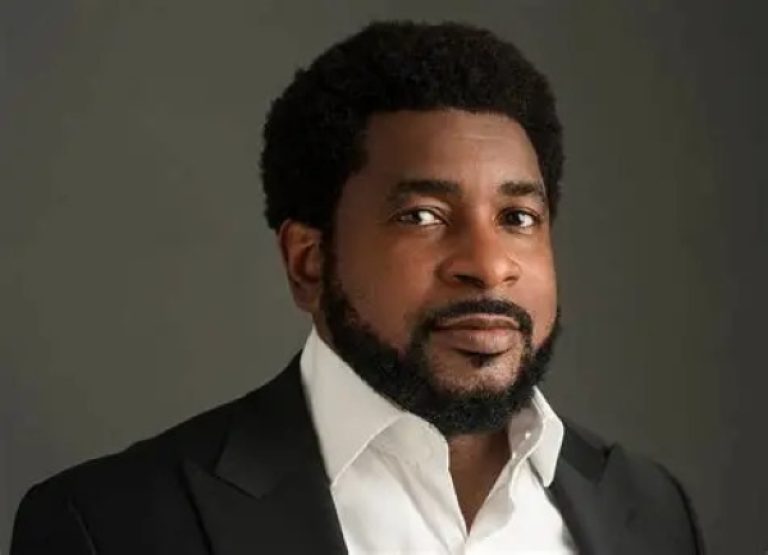
The Institute for Democratic Governance (IDEG) has called for a nationally driven consensus on constitutional reforms to safeguard Ghana’s democratic future.
In a statement signed by Dr Emmanuel, Executive Director of IDEG, the Institute said long-overdue constitutional reforms were necessary to protect and strengthen Ghana’s democratic prospects.
The statement noted that January 7, 2026, marked Ghana’s 34th consecutive year of stable democratic governance and one year since President John Dramani Mahama was sworn into office and launched the “Reset Agenda.”
It stated that the Government had, over the past year, made progress in stabilising the macroeconomic environment, rebuilding investor confidence, and initiating measures to strengthen governance systems, reflecting efforts to rebuild national trust, enhance institutional accountability, and promote civic inclusion.
Regarding constitutional review, IDEG stated that despite stability under the Fourth Republic, Ghana’s constitutional reform process had remained protracted and inconclusive for over a decade.
It noted that four successive governments between 2012 and 2020 had been unable to implement the reforms, largely due to weak national consensus and the absence of a permanent and independent institutional framework to oversee implementation.
The statement said the delays were occurring against a backdrop of democratic regression in West Africa, declining confidence in multi-party democracy, rising support for military rule and growing youth disenchantment over the perceived unresponsiveness of democratic governance.
IDEG said these developments threatened Ghana’s democratic consolidation and its role as a democratic anchor in the sub-region.
It said the submission of the Constitution Review Committee’s report presented a critical opportunity to reset Ghana’s governance architecture, commending both the Committee for its work and President Mahama for ensuring the report’s immediate public release.
The Institute stated that as Ghana marked Constitution Day 2026, lessons from past reform efforts should guide a renewed commitment to building a broad national consensus for implementing long-overdue reforms.
The statement emphasised that safeguarding Ghana’s democracy required collective dedication to good governance, inclusion and justice, while rejecting divisive politics in favour of nation-building.
It cited President Mahama’s New Year address: “Governments do not build nations alone; they do that with their citizenry… and the challenges we face are too urgent, and the opportunities before us are too precious, for us to waste time and energy on needless conflict.”
DISCLAIMER: The Views, Comments, Opinions, Contributions and Statements made by Readers and Contributors on this platform do not necessarily represent the views or policy of Multimedia Group Limited.
DISCLAIMER: The Views, Comments, Opinions, Contributions and Statements made by Readers and Contributors on this platform do not necessarily represent the views or policy of Multimedia Group Limited.
Source: www.myjoyonline.com