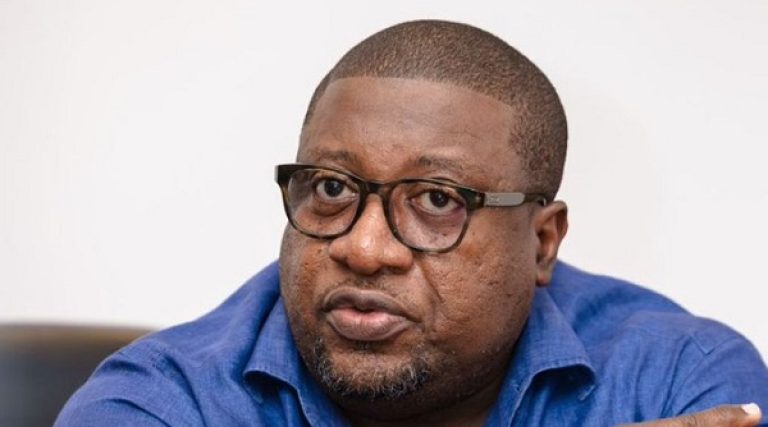
The Israeli Ambassador to Ghana, Liberia and Sierra Leone, Roey Gilad, has denied that Israel deliberately targeted a school in Iran following reports that a deadly strike killed at least 165 students at the Shajareh Tayyebeh School, one of the most tragic incidents in the escalating war between Israel, the United States and Iran.
Speaking during a press briefing in Accra on Thursday, March 5, Ambassador Gilad said Israel was still investigating the circumstances surrounding the explosion that reportedly struck the school compound, insisting that Israeli forces do not intentionally target civilians.
“We heard those accusations, but we are still checking what happened,” Mr Gilad said. “We have no idea. Obviously, we do not target… God forbid [civilians or schools].”
He continued: “One of the assumptions is that it was even an Iranian ballistic missile,” he explained. “Some of the Iranian missiles went crazy and landed inside Iran. I don’t want to put the blame on anybody. We simply do not know if it was a miscalculation or if it was an Iranian missile that was brought down by mistake. We simply don’t know.”
Deadly Strike on School
Iranian authorities reported that a missile or explosive strike hit the Shajareh Tayyebeh School, located in a densely populated district, during morning classes earlier this week.
Emergency services and humanitarian monitors said the blast killed at least 165 students and injured dozens more, making it one of the deadliest single incidents involving civilians since the conflict erupted in late February.
Images circulating on social media showed collapsed buildings and rescue teams digging through rubble as parents searched desperately for their children.
Iranian officials have blamed Israel and the United States for the attack, accusing them of targeting civilian infrastructure during their campaign against Iranian military and nuclear facilities.
However, Israeli authorities say they are still verifying the claims.
“If it’s true, if it’s not fake, then again I would say clearly: Israel has no war with the Iranian people,” Mr Gilad emphasised. “Our war is with the Iranian destructive autocratic regime.”
Escalating Regional War
The tragedy comes amid a rapidly intensifying military confrontation between Iran and a US–Israel coalition that has transformed into one of the most dangerous Middle East conflicts in decades.
The war began on February 28, when the United States and Israel launched coordinated air and cyber strikes on Iranian nuclear infrastructure, missile bases and command centres across several provinces.
Military analysts say the campaign was designed to cripple Iran’s ability to produce nuclear weapons and to weaken the country’s missile capabilities.
In retaliation, Iran launched massive waves of ballistic missiles and armed drones toward Israeli territory and US military installations across the Middle East.
According to Israeli officials, more than 180 missiles and over 120 armed drones have been fired at Israel since the conflict began.
The attacks have killed 11 Israelis and injured at least 120 others, while several residential buildings, infrastructure facilities and military installations have been damaged.
“We pay a price,” Ambassador Gilad acknowledged during the briefing. “I’m not hiding it. We did pay a price, and we will pay a price. But the Israeli public understands the scale of the challenge.”
Conflict Expands Across Region
The fighting has spread well beyond Israel and Iran, with retaliatory attacks reported in 11 countries across the Gulf region, including Iraq, Qatar, Kuwait, Bahrain and the United Arab Emirates.
Several US military bases in the region have been targeted by drones and ballistic missiles, prompting Washington to deploy additional naval forces and air defence systems.
Military experts say the scale of missile exchanges already makes the confrontation one of the largest drone and ballistic missile wars ever recorded in the Middle East.
The conflict has also raised fears of a wider regional war involving Iran-allied groups such as Hezbollah in Lebanon and armed militias operating in Syria and Iraq.
Energy markets have been rattled as tensions escalate near the Strait of Hormuz, the narrow waterway through which roughly one-fifth of the world’s oil supply passes each day.
Israeli Ambassador Appeals to Ghana
During the briefing, Mr Gilad also called on Ghana and other countries to support international efforts aimed at pressuring Iran’s leadership.
He noted that Ghana holds influential roles in several international organisations, including the International Atomic Energy Agency (IAEA), where discussions about Iran’s nuclear programme continue.
“Ghana has an important voice in the international community,” Gilad said. “We hope that Ghana will join the international campaign that is calling for a strategic change in Iran.”
According to the Israeli envoy, the current military campaign is aimed at ending what he described as the destabilising influence of Iran’s leadership across the Middle East.
DISCLAIMER: The Views, Comments, Opinions, Contributions and Statements made by Readers and Contributors on this platform do not necessarily represent the views or policy of Multimedia Group Limited.
DISCLAIMER: The Views, Comments, Opinions, Contributions and Statements made by Readers and Contributors on this platform do not necessarily represent the views or policy of Multimedia Group Limited.
Source: www.myjoyonline.com